

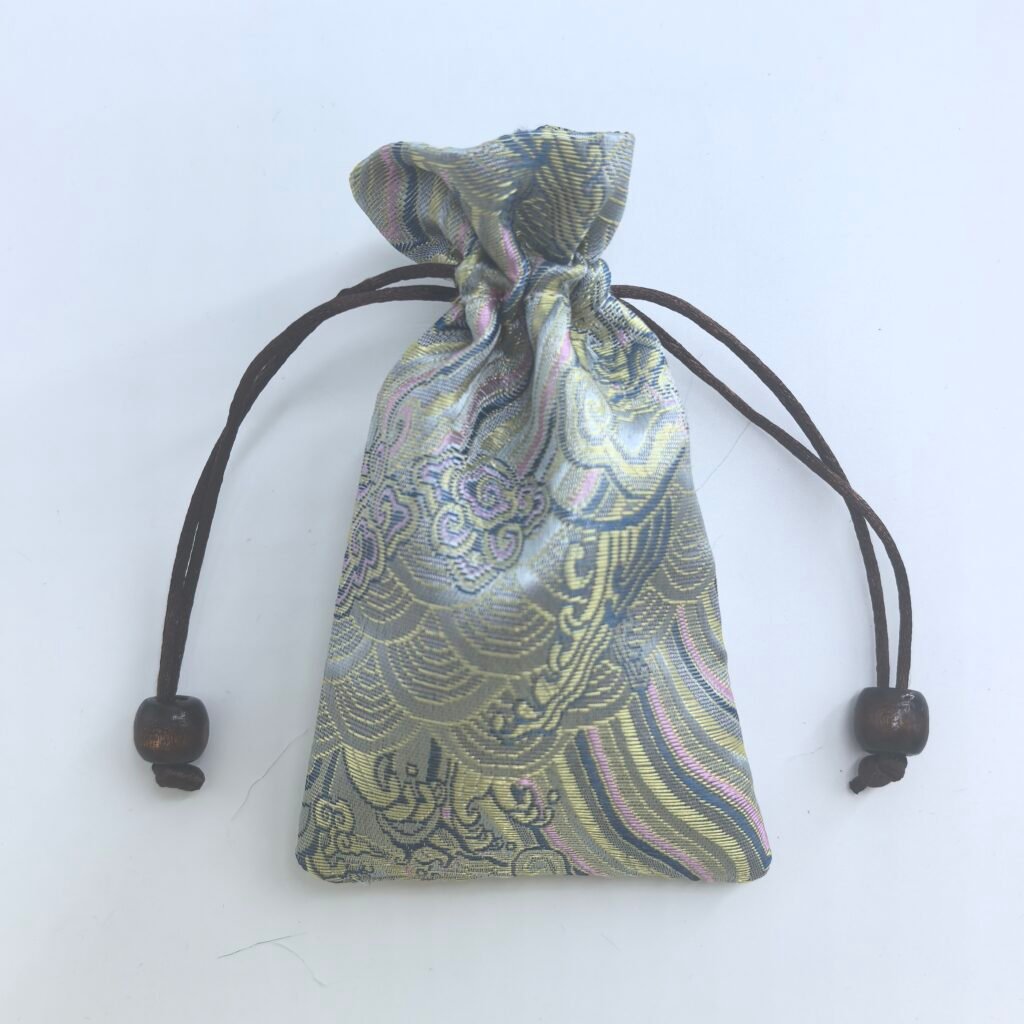
Understanding Different Drawstring Bag Materials
Drawstring bags have gained popularity for their versatility and practicality, making them a common choice for various activities, from gym sessions to grocery shopping. The effectiveness and durability of a drawstring bag often rely on the material from which it is made. Here, we explore common materials used in the production of drawstring bags, highlighting their attributes and typical applications.
One of the most widely used materials is cotton. Known for its natural fibers, cotton provides a soft texture and breathability, making it suitable for casual settings. Cotton drawstring bags are often favored for their eco-friendliness and can be easily customized, which enhances their appeal for promotional items. However, cotton may not be as resistant to moisture, limiting its use in wet environments.
Nylon is another popular choice for drawstring bags. This synthetic material is known for its durability and water-resistant properties, making it ideal for outdoor use and activities where the bag may be exposed to the elements. Nylon bags are generally lightweight and can hold heavier items without tearing, which is beneficial for users requiring strength and reliability in their bags.
Polyester is similar to nylon, offering a robust and weather-resistant option for drawstring bags. It tends to be less expensive than nylon while providing a wide range of colors and designs. Polyester bags are prevalent in sporting gear and travel accessories due to their functional benefits and ease of maintenance, including washing and drying.
Finally, canvas is a heavy-duty option, typically made from cotton or linen fibers. Canvas drawstring bags exude a classic aesthetic and are used in applications requiring substantial load capacity. Despite being heavier than other materials, canvas bags are highly durable and suitable for frequent use, making them a reliable choice for shopping or daily carrying needs.
Cotton and Linen: Comfort and Quality
Cotton and linen are two natural materials frequently chosen for drawstring bags, celebrated for their superior comfort and high quality. Both fabrics offer a soft texture that is gentle on the skin, making them ideal for everyday use. The skin-friendly properties of cotton drawstring bags ensure that they can be used comfortably for extended periods, whether they are worn on the back or carried with the hands.
Moreover, cotton and linen are highly breathable fabrics. This inherent breathability allows for good air circulation, which is particularly valuable when using bags for items that may need ventilation, such as gym clothes or delicate accessories. The moisture-wicking properties of cotton aid in keeping items fresh and prevent the buildup of unpleasant odors. Linen, on the other hand, excels in its ability to absorb moisture, making it an excellent choice for carrying items in humid conditions.
Durability is another significant factor when considering materials for drawstring bags. Cotton bags, especially those that are tightly woven, demonstrate impressive tensile strength and hold up well under regular wear and tear. Linen is often recognized for its rugged nature, providing an extended lifespan unmatched by synthetic alternatives. This resilience makes cotton and linen bags perfect for a variety of purposes, such as daily carry items, artistic product packaging, and premium retail applications. For instance, a cotton drawstring bag can be used to transport groceries, while a linen version may effectively showcase high-end products in a retail setting, enhancing the overall shopping experience.
As a sustainable choice, both cotton and linen are biodegradable, adding an eco-friendly dimension to their appeal for consumers who are increasingly environmentally conscious. When selecting a drawstring bag material, considering cotton and linen ensures a combination of comfort, quality, and sustainability, making them a wise choice for diverse needs.
Lightweight and Cost-Effective: Non-Woven Fabric
Non-woven fabric has emerged as a popular choice for drawstring bags due to its lightweight and cost-effective nature. This synthetic material, made from compressed fibers, offers a variety of advantages that make it suitable for numerous applications, particularly in contexts that require affordability and convenience.
One of the most significant benefits of non-woven fabric is its lightweight property, which simplifies transportation and handling. Weighing considerably less than traditional materials like cotton or canvas, non-woven bags are not only easy to carry but also minimize shipping costs. This makes them an ideal option for organizations looking to provide promotional materials at events without incurring high overheads.
In terms of customization, non-woven fabric bags present ample opportunities for branding and personalization. They can easily be printed with logos, slogans, or graphics, allowing businesses to effectively promote their brand. This customization potential makes non-woven fabric bags a favored choice for event giveaways, trade shows, and short-term promotions, where visibility is crucial.
Moreover, non-woven fabric is recognized for its environmental benefits as it can be manufactured from recycled materials and is often fully recyclable itself. However, it is essential to note that while non-woven bags are durable for multiple uses, they are best suited for short-term applications rather than long-term, heavy-duty needs.
In summary, non-woven fabric serves as an excellent option for those seeking a lightweight and cost-effective drawstring bag solution. Its versatility and customization capabilities make it particularly popular for temporary packaging solutions and promotional events, catering to diverse needs while ensuring economic viability.
Durability and Functionality: Nylon and Polyester
Nylon and polyester are two of the most popular materials used in the manufacturing of drawstring bags, primarily due to their outstanding durability and functional properties. Both materials exhibit impressive wear resistance, which makes them exceptionally suitable for various demanding environments. When considering drawstring bags for outdoor activities, sports events, or even tool storage, the choice between nylon and polyester can significantly impact the bag’s performance and longevity.
Nylon is renowned for its high tensile strength, which allows it to withstand heavy loads without compromising its structural integrity. This characteristic is particularly beneficial in scenarios where the drawstring bag needs to carry substantial weights, whether it be sports equipment or camping gear. Additionally, nylon has a natural resistance to abrasions, making it an excellent option for rugged outdoor use where scrapes and scratches are commonplace.
On the other hand, polyester offers a compelling alternative with its water-resistant properties. This makes polyester bags a favored choice in environments where moisture exposure is a concern. For instance, a polyester drawstring bag can effectively protect contents during light rain or in humid conditions, making it popular among athletes who need to carry wet gear after a game or event. Furthermore, polyester is generally less expensive than nylon, making it a budget-friendly option for consumers without sacrificing much in terms of strength and durability.
Both materials also provide versatility in terms of design and color, allowing manufacturers to cater to various aesthetic preferences while ensuring that durability remains a top priority. Ultimately, the choice between nylon and polyester will depend on the specific requirements of the user. Those who prioritize maximum strength may lean towards nylon, whereas those who prioritize weather resistance might find polyester more suitable. Each material brings its unique strengths to the table, making them both excellent choices for durable and functional drawstring bags.
Eco-Friendly Options: Recycled Materials
Recycled materials have gained significant attention in the manufacturing of drawstring bags, reflecting a growing trend towards sustainability and responsible consumerism. The use of recycled fabrics not only helps in reducing waste but also lowers the environmental impact associated with the production of new materials. By choosing drawstring bags made from recycled content, consumers are actively participating in a circular economy aimed at promoting environmental stewardship.
One major benefit of using recycled materials is their positive effect on the planet. Manufacturing bags from recycled textiles requires less energy and reduces greenhouse gas emissions compared to traditional methods. Furthermore, these eco-friendly options often incorporate unique textures and designs that can set a brand apart in a competitive market. The distinct appearance of recycled fabrics can add a premium feel to drawstring bags, making them suitable for high-end gifting or corporate branding initiatives aimed at demonstrating a commitment to sustainability.
Brands that incorporate recycled materials into their products not only fulfill their corporate social responsibility but also align with an increasing demand from consumers for eco-conscious choices. By prioritizing recycled materials in their drawstring bag designs, brands can enhance their overall image and appeal to environmentally aware audiences. Additionally, such products are perfect for green events, universities, or campaigns focusing on sustainability, as they effectively convey a message of ecological responsibility.
In conclusion, choosing drawstring bags made from recycled materials aligns well with modern sustainability initiatives. These bags not only contribute positively to the environment but also bring distinctive appeal, making them ideal for various purposes ranging from promotional events to personal use.
When it comes to selecting the most suitable material for a drawstring bag, several factors should be considered to ensure that the chosen bag meets specific needs. The first key factor is the intended usage scenario. A drawstring bag intended for gym use will have different requirements compared to one designed for everyday carrying of books or equipment. For instance, materials such as nylon or polyester are often preferred for gym bags due to their durability and moisture resistance, whereas cotton might be more appropriate for casual use, offering breathability and aesthetic appeal.
Another critical consideration is budget constraints. Different materials come with various price points, influencing the overall cost of the drawstring bag. Economical options, such as synthetic fabrics, are available and can provide adequate functionality without significant financial investment. On the other hand, higher-end materials, such as premium canvas or water-resistant nylon, may offer greater durability and appeal for organizations or brands looking to enhance their image.
The desired brand image can also play a significant role in material selection. For businesses aiming to convey a premium or environmentally conscious image, opting for sustainable materials like organic cotton or recycled polyester can effectively resonate with the target audience. Additionally, the choice of colors and finishes should align with the brand’s visual identity, providing a cohesive look that attracts attention.
Ultimately, the right material for a drawstring bag will depend on the balance between these factors. Evaluating your specific requirements in terms of durability, cost, and image will guide you towards making an informed decision that best aligns with your needs. Keep these considerations in mind as you explore the various material options available for drawstring bags.
发表回复